Introduction to BSc Business Administration with Human Resource Management
The world of business is evolving at a breakneck speed, and with it comes the necessity for innovative approaches to management. For students pursuing a BSc in Business Administration with Human Resource Management, understanding these shifts is crucial. As organizations increasingly recognize the significance of effective HR practices, future leaders must be equipped with knowledge that aligns with contemporary trends.
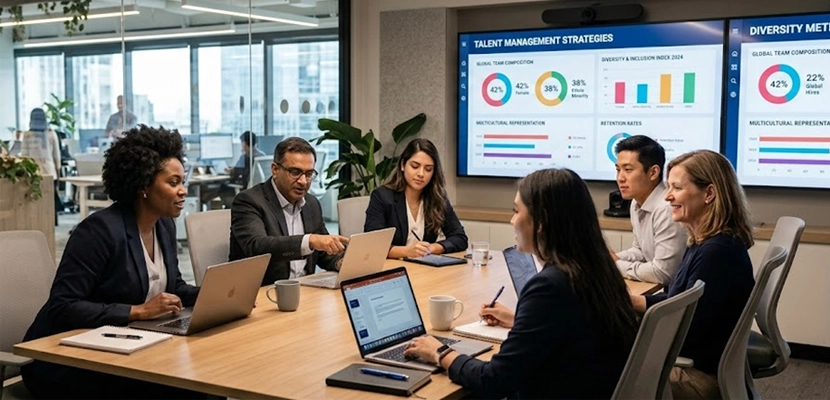
This bsc business administration with human resource management program doesn’t just teach traditional principles; it prepares you for real-world challenges by embracing transformative concepts that shape how we view workspaces today. Let’s explore three key trends currently redefining HRM and what they mean for aspiring professionals in this dynamic field.
Trend 1: Emphasis on Diversity and Inclusion in HRM
The landscape of Human Resource Management (HRM) is changing, with a significant focus on diversity and inclusion. Organizations are recognizing that diverse teams lead to enhanced creativity, innovation, and problem-solving.
Moreover, companies are not just ticking boxes anymore; they’re genuinely committed to fostering inclusive environments. This shift means actively recruiting from varied backgrounds and creating policies that support all employees.
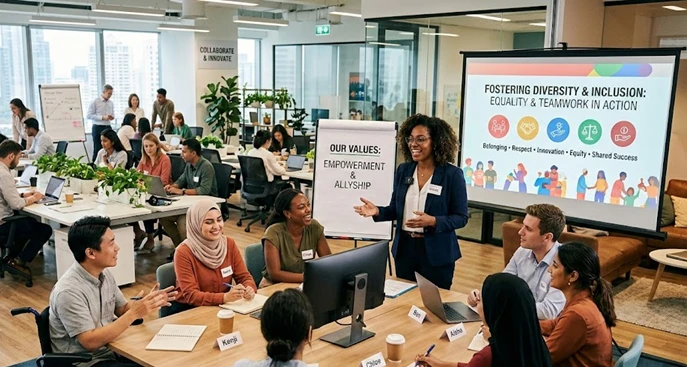
Institutions offering BSc Business Administration with Human Resource Management must incorporate these principles into their curricula. Students need to understand the value of diverse perspectives in the workplace.
This trend goes beyond mere compliance; it’s about cultivating a culture where everyone feels valued. HR professionals play a crucial role in shaping this environment through training and development initiatives aimed at inclusivity.
As future leaders in HRM emerge from programs like those at Russell Square International College in Mumbai, they will be equipped to champion diversity as an essential aspect of organizational success.
Trend 2: Utilizing Technology in HR Management
Technology is revolutionizing Human Resource Management, creating a more efficient workplace. From recruitment to employee engagement, digital tools are enhancing every aspect of HR.
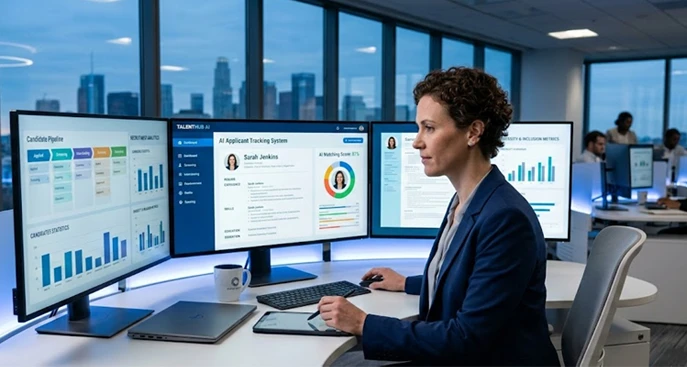
Applicant tracking systems (ATS) streamline hiring processes by automating resume screening. This saves time and ensures that only the best candidates reach interview stages. Virtual interviewing platforms also bridge geographical gaps, allowing companies to tap into a global talent pool.
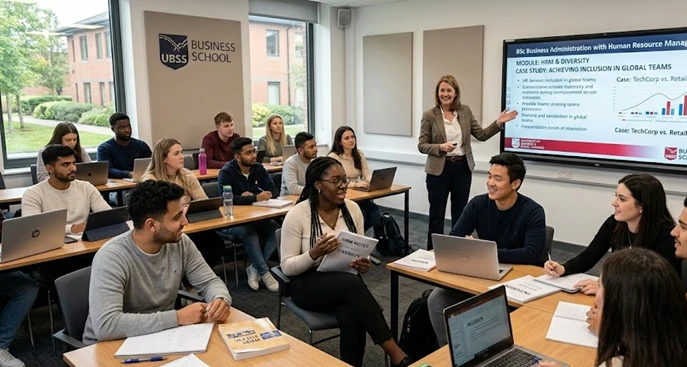
Moreover, data analytics is becoming essential in HR decision-making. By analyzing workforce metrics, organizations can identify trends and areas for improvement. Predictive analytics helps in forecasting employee turnover and optimizing retention strategies.
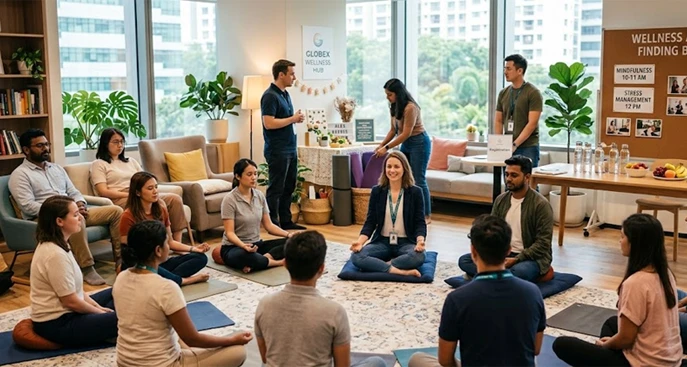
Companies now offer mental health resources such as counseling services, wellness programs, and flexible work arrangements. This shift reflects an understanding that employees who feel supported are more engaged and motivated.

Additionally, the stigma surrounding mental health issues is gradually fading. Open conversations about stress management and work-life balance have become commonplace in many workplaces.
HR professionals play a crucial role in fostering this supportive environment. They design initiatives aimed at promoting psychological safety within teams.
As businesses embrace these changes, they cultivate a culture where employees can thrive both personally and professionally. This transformation not only enhances job satisfaction but also strengthens organizational loyalty among staff members.

How These Trends are Transforming the Field of HRM
These transformative trends are significantly reshaping the landscape of Human Resource Management. The focus on diversity and inclusion is redefining recruitment strategies. Companies are now actively seeking diverse talent pools, ensuring varied perspectives that drive innovation.
Technology plays a pivotal role in this evolution. HR professionals leverage AI-driven tools for efficient candidate sourcing and employee engagement analytics. This shift allows for data-informed decisions that enhance workplace dynamics.
Meanwhile, prioritizing employee well-being marks a cultural shift within organizations. Businesses recognize that mental health support leads to improved productivity and retention rates. Programs promoting work-life balance create more satisfied employees who contribute positively to company culture.
Together, these trends foster an environment where human capital is valued as a critical asset rather than just a resource, transforming how organizations approach their workforce strategy.
The Importance of Adapting to these Trends in BSc Business Administration Programs
Adapting to current trends is essential for BSc Business Administration programs, especially those focused on Human Resource Management. As the business landscape evolves, so do the skills needed by future leaders in HR.
Integrating diversity and inclusion practices prepares students for real-world challenges. Understanding different perspectives fosters a more innovative environment.

Embracing technology is also crucial. Familiarity with HR management software equips graduates with tools that enhance efficiency and data analysis capabilities.
Moreover, placing emphasis on employee well-being reflects contemporary workplace values. Students learn to prioritize mental health initiatives alongside traditional HR functions.
By aligning curricula with these transformative trends, institutions like Russell Square International College in Mumbai ensure their graduates are competitive and relevant in the job market. This proactive approach cultivates adaptable professionals ready to lead organizations into the future of work.
Conclusion
The landscape of BSc Business Administration with Human Resource Management is evolving rapidly. The focus on diversity and inclusion reshapes hiring practices, fostering a richer workplace culture. Technology plays an integral role in HRM, streamlining processes and enhancing employee engagement through data-driven decisions.
Moreover, the growing awareness around mental health underscores the need for supportive work environments that prioritize well-being. These transformative trends are not just passing fads; they represent fundamental shifts that every aspiring HR professional must embrace.
Russell Square International College in Mumbai recognizes these changes and integrates them into its curriculum, preparing students to navigate this dynamic field effectively. As future leaders emerge from this HR management college in Mumbai, staying ahead of these trends will be crucial for their success and relevance in the workforce.
By adapting to these developments within BSc Business Administration programs, educational institutions can equip students with the skills necessary for a fulfilling career in human resource management. Embracing modern strategies ensures graduates are prepared to meet today’s challenges head-on while contributing positively to organizational growth and culture.