
Choosing the right course can set the trajectory of your career. If you have an interest in numbers, finance, and business strategy, two popular options often come to mind: BSc Accounting & Finance and BSc Finance courses. But what exactly sets these programs apart? Understanding their unique focus and career outcomes is essential for making an informed decision that aligns with your aspirations.

Whether you’re aiming for a role as a financial analyst or looking to dive deep into accounting practices, both degrees offer distinct benefits. Here at Russell Square International College in Mumbai, we aim to equip students with the knowledge and skills they need to thrive in today’s competitive job market. Let’s explore these two paths further so you can find which one resonates with your goals!
Overview of BSc Accounting & Finance and BSc Finance Courses
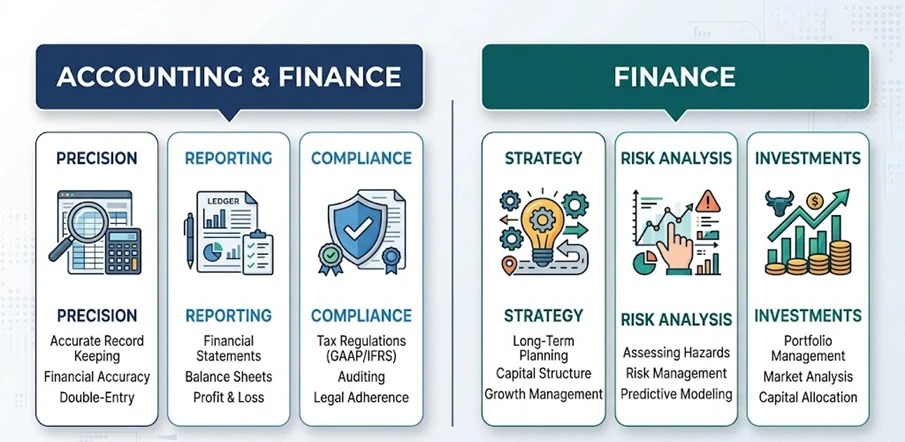
BSc Accounting & Finance and BSc Finance courses cater to students with different interests within the financial realm. While both programs share foundational principles, their focus varies significantly.
The BSc Accounting & Finance program combines core accounting skills with finance concepts. Students learn about financial reporting, taxation, and auditing alongside investment analysis and corporate finance. This blend equips graduates for roles in both fields.

On the other hand, a BSc Finance course zeroes in on finance-related subjects. It emphasizes market analysis, portfolio management, and risk assessment. The curriculum is tailored for those looking to excel specifically in banking or investment sectors without delving deeply into accounting practices.
Understanding these distinctions helps prospective students choose a path that aligns closely with their career goals and personal interests. Each course opens different doors while sharing a common foundation of financial knowledge.
Introduction to Accounting and Finance Programs
Accounting and finance programs are essential for those looking to embark on a successful career in the financial sector. They serve as the backbone of any business, ensuring that money is managed effectively. These courses cover crucial concepts such as budgeting, investment analysis, and financial reporting.
Students gain a comprehensive understanding of how organizations operate financially. Moreover, accounting focuses on tracking income and expenditures while adhering to laws and regulations. In contrast, finance dives deeper into capital management and market dynamics.
Both disciplines equip students with analytical skills needed to make informed decisions based on data interpretation.
Choosing between these two paths can be challenging but rewarding. Each program offers unique experiences that cater to different interests within the business world.
What is a BSc Accounting & Finance Program?
A BSc Accounting & Finance program integrates two essential fields in the business world. It provides a comprehensive understanding of financial management and accounting principles.
Students explore topics like financial reporting, auditing, taxation, and corporate finance. This combination equips graduates with the skills to analyze financial statements while managing budgets effectively.
Additionally, coursework often includes practical applications through case studies and projects. Students learn how to interpret data critically and make sound financial decisions based on real-world scenarios.
The curriculum is designed to prepare students for various roles in both accounting firms and financial institutions. By mastering both disciplines, graduates become versatile professionals capable of tackling complex challenges in today’s dynamic economy.
What is a BSc Finance Program?
A BSc Finance program focuses solely on the principles and practices of finance. It delves deep into financial markets, investment strategies, and risk management techniques.

Students learn how to analyze market trends and make informed decisions based on quantitative data. This course is ideal for those looking to pursue careers in investment banking, asset management, or corporate finance.
Core subjects often include financial analysis, portfolio management, and business economics. These topics equip students with the skills required to navigate complex financial environments.
Additionally, many programs incorporate hands-on projects that encourage real-world application of theoretical knowledge. Students might engage in simulations or case studies that reflect current industry challenges.
This blend of theory and practice prepares graduates to step confidently into various roles within the finance sector. With a strong foundation in critical thinking and analytical abilities, they can effectively contribute to any organization’s financial health.
Key Skills Developed in Each Course
The BSc Accounting & Finance program focuses on developing analytical skills essential for interpreting financial data. Students gain proficiency in accounting principles and practices, allowing them to prepare precise financial statements.

In contrast, the BSc Finance course hones strategic thinking abilities. Learners delve into investment analysis and risk management strategies, empowering them to make informed decisions in dynamic markets.
Both programs emphasize quantitative skills. However, the emphasis varies; accounting students concentrate on accuracy and detail, while finance students prioritize forecasting and trend analysis.
Communication skills are another critical component of both degrees. Graduates learn how to present complex information clearly to diverse audiences—a vital asset in any business environment.
Problem-solving is crucial too. Each program challenges students with real-world scenarios that require innovative solutions tailored to unique financial situations. This skill set prepares graduates for varied roles across industries.
Choosing the Right Course for You
Choosing the right course is a significant decision and deserves careful thought. Both BSc Accounting & Finance and BSc Finance offer unique pathways, so it’s essential to assess your interests.
Consider what excites you more—whether it’s analyzing financial markets or diving deep into accounting principles. If you enjoy working with numbers, both fields will appeal to you, but they each focus on different aspects of finance.

Think about your career aspirations as well. Are you leaning towards investment banking or corporate finance? Or are auditing and taxation more in line with your goals?
Visiting campuses like Russell Square International College in Mumbai can provide valuable insights. Engaging with faculty and current students may help clarify which program aligns best with your ambitions.
Reflect on potential internships or projects associated with each course. Practical experience can significantly shape your understanding of both disciplines.