Choosing a course that truly aligns with your passion and long-term ambitions is one of the most defining decisions in a student’s academic journey. The BSc Psychology Course in Mumbai presents an inspiring and intellectually stimulating pathway for individuals who are deeply curious about human behaviour, emotional patterns, and the complex workings of the mind. This programme is thoughtfully designed to help students explore how psychological principles influence individuals, communities, and organisations in real-world settings.
The BSc Psychology Course in Mumbai combines a strong foundation in scientific theories with hands-on practical exposure, ensuring students develop both conceptual clarity and applied skills. From understanding cognitive processes and developmental psychology to exploring social behaviour and mental health, the curriculum equips learners with critical thinking, research competence, and ethical awareness. Practical components such as case studies, internships, laboratory work, and field projects further enhance learning by bridging the gap between theory and practice.
What is a BSc Psychology?
Choosing a career that aligns with your interests begins with understanding the foundation, and the BSc Psychology course in Mumbai gives students a clear insight into the scientific study of human behaviour. This degree explores the mind through research, theories, and practical applications, providing an in-depth understanding of why people think and act the way they do. Students learn to analyse emotional, cognitive, and social patterns with precision. As a result, the field becomes more than just academics—it becomes a gateway to understanding humanity. This strong foundation prepares learners for various advanced paths in psychology.
Subjects in BSc Psychology:
Students enrolled in the BSc Psychology course in Mumbai dive into a well-structured curriculum that blends theory with hands-on learning. Core subjects include cognitive psychology, developmental psychology, social psychology, personality theories, and biopsychology. Each subject provides a new layer of understanding, helping students explore how the brain, environment, and experiences shape human behaviour. Practical labs and research assignments add depth to classroom teaching. Through this multi-dimensional approach, students develop both analytical and observational skills. The subjects together form a comprehensive framework for building expertise in psychology.
Careers After BSc Psychology:
The BSc Psychology course in Mumbai opens doors to a wide range of diverse and meaningful career paths. This program equips students with foundational knowledge of human behaviour, mental processes, and emotional well-being—skills that are highly valued across multiple sectors.
Career Opportunities After BSc Psychology:
- Counseling Assistant
A Counseling Assistant plays a supportive yet vital role in mental health and wellness settings such as schools, clinics, hospitals, and wellness centres. In this role, individuals work closely with licensed counsellors and psychologists to help manage client sessions, maintain case records, and assist with basic psychological assessments and observations. They often support clients during therapy activities, help coordinate appointments, and ensure a comfortable, ethical, and confidential environment. This position offers valuable hands-on exposure to counselling practices and is an excellent entry point for those planning to pursue advanced qualifications in psychology or mental health services. - Human Resources (HR) Professional
As an HR Professional, psychology graduates apply their understanding of human behaviour in corporate and organisational environments. This role involves using psychological principles in recruitment and selection processes, employee training and development, performance management, and workplace engagement initiatives. HR professionals also contribute to employee well-being programmes, conflict resolution, and organisational culture development. With growing emphasis on mental health and productivity in workplaces, this career path allows individuals to influence both employee satisfaction and organisational success. - Research Analyst
A Research Analyst in psychology works with universities, research organisations, healthcare institutions, or policy think tanks to conduct systematic studies on human behaviour and mental processes. Responsibilities include designing surveys, collecting and analysing data, interpreting results, and contributing to academic papers or research reports. This role strengthens analytical, statistical, and critical thinking skills and is ideal for individuals interested in evidence-based practice, academic research, or further studies such as a master’s degree or PhD in psychology or related fields. - Mental Health Worker
Mental Health Workers support individuals facing emotional, behavioural, or psychological challenges across community centres, hospitals, NGOs, and rehabilitation facilities. Their work may include assisting with therapeutic activities, monitoring client progress, offering emotional support, and coordinating care under professional supervision. This role focuses on improving quality of life, promoting emotional resilience, and supporting recovery, making it especially suitable for those who are empathetic, patient, and committed to social impact. - Rehabilitation Support Staff
Rehabilitation Support Staff work alongside psychologists, therapists, and medical professionals in centres focused on addiction recovery, special needs care, elderly support, or trauma rehabilitation. Their responsibilities include assisting clients with daily routines, supporting therapy programmes, tracking progress, and creating a safe and encouraging environment for recovery. This role demands compassion, adaptability, and strong interpersonal skills, and it provides meaningful experience for individuals interested in long-term careers in rehabilitation, counselling, or clinical psychology.
Growing Demand in Multiple Sectors:
- Schools & Educational Institutions
Schools and educational institutions are placing growing importance on student mental health, emotional well-being, and behavioural development. Psychology graduates contribute by supporting counsellors, assisting with behavioural assessments, addressing learning difficulties, and helping students manage academic stress, anxiety, and social challenges. With increasing awareness around emotional intelligence, bullying prevention, and inclusive education, educational settings now offer meaningful opportunities to positively shape young minds and foster healthier learning environments. - Hospitals & Clinics
Hospitals and clinics are witnessing a steady rise in demand for mental health aides, psychology assistants, and support staff. In these settings, professionals help patients cope with emotional stress related to illness, trauma, or long-term treatment. They may assist psychologists and psychiatrists in assessments, therapy sessions, patient monitoring, and rehabilitation programmes. As mental health services expand across healthcare systems, this sector provides stable and impactful career opportunities. - Corporate Offices
Corporate organisations are increasingly recognising the importance of employee mental health and workplace well-being. Psychology graduates play a key role in designing and supporting stress management programmes, employee engagement initiatives, behavioural training, and conflict resolution strategies. Their understanding of motivation, communication, and organisational behaviour helps create healthier, more productive workplaces while reducing burnout and improving overall job satisfaction. - NGOs & Community Organisations
NGOs and community-based organisations offer diverse opportunities to apply psychological knowledge in social development and public welfare initiatives. Professionals may work in areas such as child protection, gender welfare, mental health awareness, community counselling, and rehabilitation programmes. These roles often involve fieldwork, advocacy, and direct community engagement, allowing individuals to make a meaningful social impact while addressing psychological challenges at the grassroots level.
Higher Education & Advanced Roles:
- Pursue Master’s degrees (MA/MSc Psychology) in fields like Clinical, Counselling, Organisational, Forensic, Educational, or Health Psychology.
- Continue further specialisation through M.Phil. or PhD programs to become licensed psychologists, therapists, or researchers.
Why These Careers Are Flexible and Rewarding:
- Blend of scientific knowledge and empathetic practice
- Opportunities in both public and private sectors
- Fields allow for personal growth, creativity, and real human impact
- Ability to choose specialisations based on individual strengths and interests
Ultimately, graduates step into professions where they can create meaningful change and make a real difference in people’s lives, making psychology one of the most fulfilling career paths available today.
Why Is It Better Than Other Courses?
The BSc Psychology course in Mumbai stands out because it blends scientific learning with real-world human experience—something many other undergraduate programs fail to offer. Unlike traditional degrees that focus solely on technical or theoretical knowledge, this course builds both intellectual and emotional intelligence. Students gain exposure to diverse communities, real psychological cases, and research-driven insights, all within a vibrant metropolitan environment. The program encourages curiosity, empathy, and critical thinking—skills that hold long-term value in any field. Its interdisciplinary nature makes it adaptable across industries, offering more flexibility than most conventional career paths.
Benefits of Taking This Course
Choosing the BSc Psychology course in Mumbai comes with a wide range of benefits that go beyond academics. Students receive hands-on experience through internships, workshops, counselling practice sessions, and field visits. This exposure enhances confidence and prepares learners for future professional roles. The course also cultivates emotional resilience and awareness—qualities that support personal growth. Mumbai’s educational ecosystem ensures access to expert faculty, advanced learning resources, and career networking opportunities. By the time students graduate, they are equipped with a deep understanding of human behaviour and ready to contribute meaningfully to society.
Skills You Can Learn
The BSc Psychology course in Mumbai helps students build a powerful blend of analytical, interpersonal, and practical skills that prepare them for diverse professional paths. The curriculum develops both scientific thinking and emotional understanding, making graduates well-rounded and adaptable.
Key Skills You Gain in BSc Psychology:
Analytical & Research Skills
- Critical thinking and problem-solving
- Research design and methodology
- Data collection and interpretation
- Statistical analysis and use of research tools
- Observation techniques: behavioural recording
Interpersonal & Communication Skills
- Effective verbal and written communication
- Active listening and rapport building
- Conflict resolution techniques
- Presentation and documentation skills
- Group interaction and counselling basics
Emotional & Social Understanding
- Empathy and sensitivity toward diverse populations
- Emotional intelligence and self-awareness
- Understanding of human behaviour and motivations
- Ability to interpret social cues and relationships
- Skills for supporting individuals in distress
Applied & Practical Skills
- Behavioural assessment and analysis
- Decision-making in real-world scenarios
- Psychological testing basics
- Time management and task prioritisation
- Ethical practice and professional responsibility
Why These Skills Matter:
- Highly valued in clinical, corporate, educational, and social sectors
- Useful for careers in counselling, HR, research, healthcare, and community work
- Provide a strong base for master’s programs and advanced specialisations
- Prepare students for roles requiring both scientific precision and human connection
Whether students choose clinical practice, corporate roles, research opportunities, or postgraduate studies, the versatile skill set gained through the BSc Psychology course ensures they are well-equipped to excel in multiple fields.
How It Is Unique
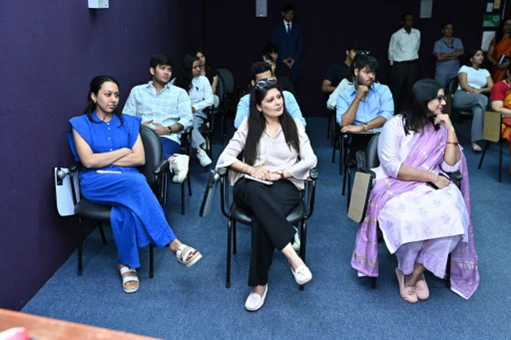
What makes the BSc Psychology course in Mumbai truly unique is the combination of academic depth, practical exposure, and the cultural richness of the city. Mumbai’s diverse population offers real-world psychological insights that textbooks alone cannot provide. Colleges here integrate modern teaching methods, research opportunities, and community engagement into the curriculum, creating a holistic learning experience. Students are not just studying psychology—they are living it through everyday interactions and fieldwork. This immersive approach shapes well-rounded professionals who understand human behaviour from multiple perspectives.
Why This Course Matters Today
In today’s world, the BSc Psychology course in Mumbai holds immense relevance as mental health becomes a central global concern. More individuals and organisations are recognising the importance of emotional well-being, increasing the demand for skilled psychology professionals. Students trained in this course gain the ability to understand complex human issues and contribute to positive change. Mumbai’s educational ecosystem enhances this journey with exposure to real societal challenges. The course encourages a mindset of curiosity, compassion, and continuous learning. It prepares graduates to play a significant role in shaping healthier communities.
A Future Built on Purpose
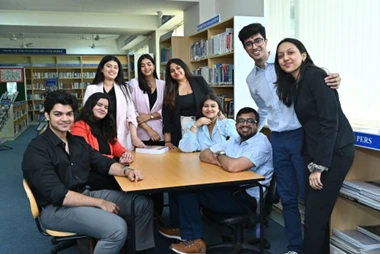
Starting your academic journey with the BSc Psychology course in Mumbai sets the stage for a meaningful and impactful future. With its rich curriculum, practical exposure, and transformative learning environment, the program helps students grow intellectually and personally. Each experience strengthens their understanding of the human mind and the world around them. The city’s opportunities ensure that learning continues beyond the classroom. As psychology gains prominence across industries, graduates of this course stand strong in the evolving landscape. It truly becomes a future built on purpose, passion, and possibility.
Programme Structure
| 1st Year | Eight 15-credit compulsory subjects |
| 2nd Year | Eight 15-credit compulsory subjects |
| 3rd Year | Six 15-credit compulsory subjects and one 30-credit Research Project |
How to Apply
Applying for the BSc Psychology course in Mumbai is designed to be a smooth and student-friendly process, making it accessible for applicants from diverse academic backgrounds.
Most colleges offering the BSc Psychology course in Mumbai follow an online admission system through their official websites or university portals.
Students are required to register on the institution’s admission portal and carefully fill out the application form with accurate personal and academic details.
Academic documents such as 10th and 12th standard mark sheets are mandatory to verify eligibility and educational background.
Applicants must upload valid ID proof, passport-size photographs, and any additional certificates requested by the institution.
Some colleges may conduct entrance examinations to assess a student’s basic understanding, aptitude, and interest in psychology-related subjects.
Personal interviews or counselling rounds may also be part of the selection process to evaluate motivation, communication skills, and suitability for the course.
Shortlisted candidates receive an offer of admission through email or the college admission portal.
Once selected, students must complete fee payment within the stipulated deadline to confirm their seat.
Final document verification is conducted either online or on campus before enrolment is officially confirmed.
Due to high demand and limited seat availability, early application is strongly recommended to secure admission to the BSc Psychology course in Mumbai.
Syllabus
The syllabus of the BSc Psychology course in Mumbai is carefully structured to develop a strong foundation in psychological theory while simultaneously building essential practical and analytical skills.
In the initial semesters, students are introduced to foundational subjects such as General Psychology, which covers core concepts of human behaviour, cognition, learning, and emotion.
Biological Psychology helps students understand the relationship between the brain, nervous system, and behaviour, offering a scientific perspective on mental processes.
Statistics and Research Methods are integral components of the syllabus, enabling students to analyse data, interpret research findings, and develop evidence-based thinking.
As the course progresses, learners explore specialised domains such as Abnormal Psychology, focusing on mental disorders, diagnosis, and treatment approaches.
Subjects like Counselling Psychology introduce students to basic counselling theories, techniques, and ethical practices used in mental health support.
Organisational Behaviour applies psychological principles to workplace settings, covering motivation, leadership, group dynamics, and employee well-being.
Psychological Testing and Assessment trains students in the use of standardised tools to measure intelligence, personality, aptitude, and behaviour.
The syllabus includes mandatory practical sessions, allowing students to conduct experiments, administer tests, and gain hands-on experience under supervision.
Research projects and dissertations encourage independent thinking, data collection, analysis, and academic writing skills.
Fieldwork and internships provide exposure to real-world settings such as schools, hospitals, NGOs, and corporate organisations.
A range of elective subjects enables students to customise their learning based on interests such as clinical psychology, child psychology, or industrial psychology.
This balanced and comprehensive curriculum ensures graduates of the BSc Psychology course in Mumbai are well-prepared with academic knowledge, practical competence, and professional readiness.

Semesters
The BSc Psychology course in Mumbai is spread across six semesters over three years:
Semester Breakdown
Semester 1:
Research design and statistics 1A: Introduces basic research methods and statistical tools used in psychological studies.
Developmental psychology: Explores human growth and developmental changes from infancy to adulthood.
Biological psychology: Examines how the brain and nervous system influence thoughts, emotions, and behaviour.
Research skills 1: qualitative skills: Teaches foundational qualitative methods like interviews, observations, and thematic analysis.
Semester 2:
Research design and statistics 1B: Builds on foundational stats with intermediate techniques and experimental design.
Applications of psychology: Shows how psychological principles are used in real-world settings and professions.
Learning personality and intelligence: Shows how psychological principles are used in real-world settings and professions.
Social psychology: Shows how psychological principles are used in real-world settings and professions.
Semester 3:
Cognitive Psychology: Focuses on mental processes such as memory, perception, language, and problem-solving.
Understanding individual differences: Examines why people vary in behaviour, abilities, and personality traits.
Applications of psychology: Explores specialised uses of psychology across industries and communities.
Philosophy of psychology: Introduces philosophical questions about mind, consciousness, and psychological theories.
Semester 4:
Research skills 2: literature skills: Develops the ability to review, evaluate, and synthesise scientific literature.
Research design and statistics 2B: Multivariate measures: Covers advanced statistical techniques involving multiple variables.
Health and addictive behaviours: Studies the psychological factors behind health habits, addiction, and behavioural change.
Clinical psychology: Offers foundational knowledge of mental disorders, diagnosis, and therapeutic approaches.
Semester 5:
Current issues in neuroscience: Explores the latest developments in brain research and neural functioning.
Forensic psychology: Applies psychology to criminal behaviour, legal processes, and justice systems.
Mental health around the world: Examines global perspectives on mental health challenges and care systems.
Research project 1: foundation: Introduces students to designing and planning an independent research study.
Semester 6:
Occupational psychology: Studies human behaviour in workplaces to improve productivity and well-being.
Gender and mental health: Explores how gender influences mental health experiences and treatment.
Research project 2: consolidation (30 CREDITS): Involves completing and presenting a full-scale independent research project.
Placement Opportunity
Graduates of the BSc Psychology course in Mumbai enjoy strong placement opportunities due to rising awareness about mental health and behavioural sciences. Many colleges have dedicated placement cells that help students secure internships and full-time roles in hospitals, schools, rehabilitation centres, NGOs, corporate firms, HR departments, training centres, and research organisations.
Common job roles include:
– Psychology Assistants at Fortis Healthcare, Kokilaben Dhirubhai Ambani Hospital, Mpower, MindTribe
– HR Executive at Tata Consultancy Services (TCS), Infosys, Wipro, Reliance Industries, Accenture
– Research Analyst at NielsenIQ, Kantar, Ipsos, Tata Institute of Social Sciences (TISS)
– Mental Health Support Assistant at Mpower – The Centre, The Mood Space, YourDOST, 1to1Help, Manas Foundation
– School Counsellor Intern at Podar International School, Ryan Group of Schools, JBCN International School, Dhirubhai Ambani International School
– Behavioural Trainer at BYJU’S, upGrad, L&T Leadership Academy, Dale Carnegie Training India, Ernst & Young (EY) Learning Teams
– Wellness Coach at Cult. Fit, HealthifyMe, BetterLYF, Mindhouse (House of Wellness), InnerHour
– Rehabilitation Support Worker at National Institute for the Mentally Handicapped (NIMH), Aditya Birla Health Services, Tata Memorial Centre
With additional studies, students can pursue careers in clinical psychology, counselling psychology, organisational psychology, sports psychology, forensic psychology, and more.

Conclusion
The BSc Psychology course in Mumbai is more than just an academic degree—it is a deep, transformative journey into understanding the human mind, emotions, and behaviour. Designed with a balanced blend of theory and practical application, the course offers students a structured curriculum that covers the core areas of psychology while providing hands-on exposure through internships, workshops, field visits, and research projects. This holistic approach ensures that learners don’t just study psychology—they experience it.
Mumbai’s vibrant and diverse cultural environment adds a unique dimension to the learning journey. Through the BSc Psychology course in Mumbai, students interact with individuals from a wide range of backgrounds, communities, and experiences. This exposure sharpens their empathy, communication skills, and real-world understanding of human behaviour, allowing the city itself to become a dynamic and evolving classroom.
One of the greatest strengths of this course is its flexibility. Whether students aim to pursue advanced degrees like Master’s, M.Phil., or PhD, work in mental-health roles, or bring psychological insight to corporate, educational, and research settings, the BSc Psychology course provides a strong and versatile foundation. Graduates are equipped to explore specialised fields such as clinical psychology, organisational psychology, counselling, neuroscience, forensic psychology, and more.
Ultimately, choosing the BSc Psychology course in Mumbai is a meaningful step for anyone passionate about helping others, understanding human nature, and contributing to a healthier and more compassionate society. It is a path that opens doors to purpose-driven careers, personal growth, and the opportunity to make a real and lasting impact in the world.
Frequently Asked Questions
What is the duration of the BSc Psychology course in Mumbai?
Most institutions offer it as a 3-year undergraduate program, divided into six semesters with theory, practicals and fieldwork.
What subjects are included in the BSc Psychology course in Mumbai?
You will study cognitive psychology, biopsychology, social psychology, developmental psychology, abnormal psychology, statistics and research methods, along with practical labs.
What career options are available after completing this course?
You can work in counselling, HR, research, NGOs, schools, corporate wellness, rehabilitation centres, and more, or continue with master’s studies.
Is the BSc Psychology course in Mumbai good for becoming a clinical psychologist?
Yes, but you will need postgraduate degrees (M.A./M.Sc. in Clinical Psychology) and later an M.Phil or PsyD to practice clinically.
What skills will I gain from this course?
Students develop critical thinking, empathy, observation skills, communication, research ability and emotional intelligence.
Is psychology a good career choice today?
Absolutely. With rising awareness about mental health, there is a high demand for psychology professionals across sectors.
Can I pursue higher studies abroad after completing this course?
Yes. A BSc Psychology course in Mumbai provides a strong foundation for applying to international universities for master’s programs.
- What is the difference between BA Psychology and BSc Psychology?
A BSc Psychology focuses more on science, research, and practical applications, while a BA Psychology leans toward theory and the humanities.
- Can I become a counsellor after completing just the BSc Psychology course in Mumbai?
You can work as a counselling assistant or trainee, but full-fledged counselling roles typically require a master’s degree.
- Is this course suitable for someone who wants to work abroad?
Yes, as the psychology curriculum in Mumbai aligns with global standards, it makes it easier to pursue international master’s programs.