
Introduction to Apparel Merchandising
The world of fashion is constantly evolving, shaped by trends, technology, and consumer preferences. Apparel merchandising course in mumbai stands at the intersection of creativity and commerce, offering a unique blend of skills that drive the industry forward. As more individuals seek to make their mark in this dynamic field, apparel merchandising courses have emerged as essential pathways for aspiring professionals.
These programs don’t just focus on design; they encompass a range of vital skills necessary for success in today’s competitive landscape. From trend forecasting to sustainable practices, students gain insights into all facets of the fashion business. Whether you dream of creating your own line or managing retail operations, understanding apparel merchandising will set you apart.
Join us as we explore what these courses cover and how they prepare students for exciting careers in the ever-changing realm of fashion. Discover how emerging trends are reshaping the industry and why mastering apparel merchandising can be your ticket to success.
Skills Covered in Apparel Merchandising Courses
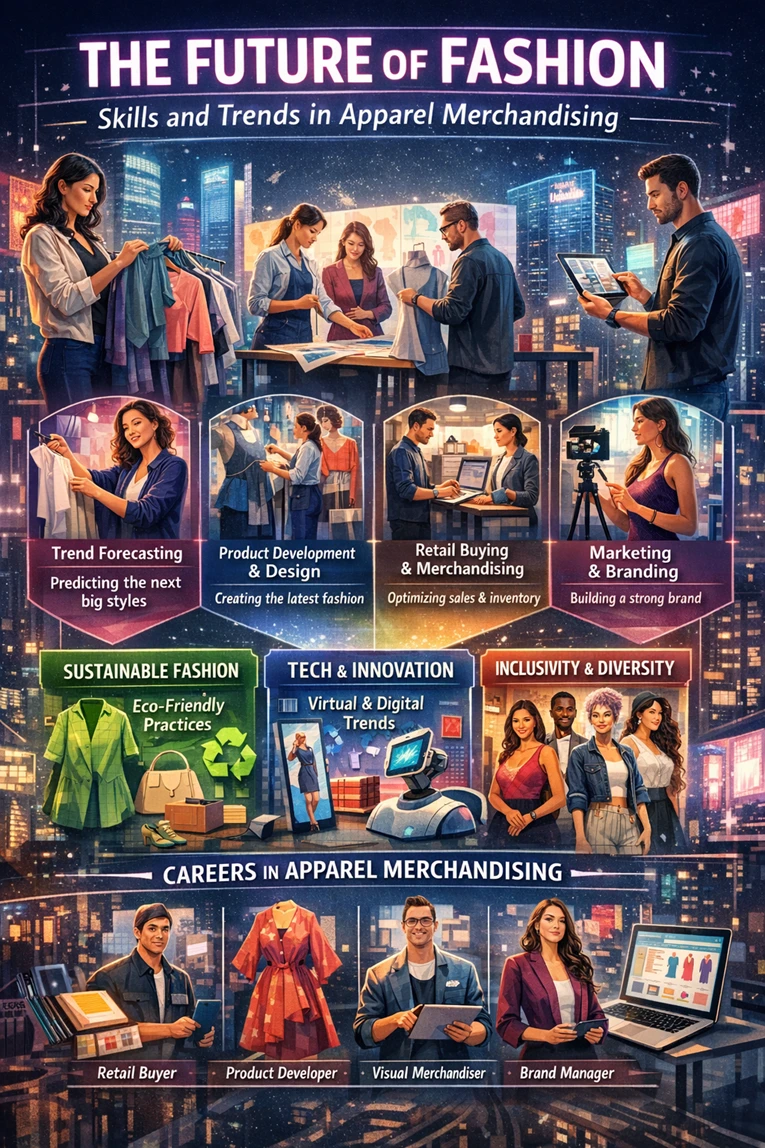
Apparel merchandising courses equip students with a diverse skill set essential for success in the fashion industry. Trend forecasting is one key aspect, enabling professionals to predict future styles and consumer preferences. This foresight helps brands stay relevant.
Product development and design also play a crucial role. Students learn how to create garments that meet market demands while balancing aesthetics and functionality.
Retail buying and merchandising skills are equally important. Participants gain insights into inventory management, pricing strategies, and sales analysis to optimize retail performance.
Marketing and branding are covered as well, teaching learners how to effectively promote products through various channels, ensuring they resonate with target audiences. Mastering these skills empowers graduates to navigate the dynamic landscape of apparel merchandising confidently.
A. Trend Forecasting
Trend forecasting is a critical skill in apparel merchandising. It involves analyzing market trends, consumer behavior, and cultural influences to predict what styles will dominate the fashion landscape.
Students learn how to gather data from various sources. This can include runway shows, social media platforms, and even street style observations. Understanding these dynamics helps them identify emerging patterns that may resonate with consumers.
Courses often emphasize the importance of timing. Trend forecasters must be ahead of the curve to ensure brands stay relevant in a fast-paced industry.
Additionally, creativity plays a huge role here. The ability to envision future concepts while grounded in analytical research allows for innovative product development.
Mastering trend forecasting equips students with the tools they need to make informed decisions about design and marketing strategies within apparel merchandising.
B. Product Development and Design
Product development and design is a crucial element of apparel merchandising. This phase involves transforming ideas into tangible clothing lines that resonate with target audiences.
Students learn how to balance creativity with practicality. They explore textile selection, color theory, and garment structure. Understanding these elements ensures designs are not only visually appealing but also functional.
Collaboration plays a significant role here. Designers work closely with manufacturers and suppliers to bring their visions to life. This teamwork helps streamline the production process and maintain quality standards.
Courses emphasize trend analysis as well. Keeping an eye on market shifts allows designers to anticipate consumer needs before they arise.
Mastering product development equips aspiring merchandisers with the skills necessary for success in this dynamic industry. It’s about creating pieces that tell a story while meeting the demands of retail markets.
C. Retail Buying and Merchandising
Retail buying and merchandising are crucial components of apparel merchandising. This area focuses on selecting the right products to meet consumer demand while maximizing profitability.
Students learn how to analyze market trends and customer preferences. They study sales data, conduct competitor analysis, and understand inventory management. These skills enable them to make informed purchasing decisions.
Understanding pricing strategies is also key in this module. Students explore how price points can affect brand perception and customer choices.
Additionally, they examine visual merchandising techniques that enhance shopping experiences in retail spaces. Effective display methods can draw customers in and boost sales.
Real-world projects often simulate the challenges faced by merchandisers today. This hands-on approach allows students to develop problem-solving abilities essential for success in the industry.
D. Marketing and Branding
Marketing and branding are vital components of apparel merchandising. They shape how a brand is perceived in the crowded fashion market. Courses often cover strategies to create a unique identity for clothing lines.
Students learn about target demographics, allowing them to tailor marketing efforts effectively. Understanding consumer behavior plays a crucial role in this process. It helps brands connect on a more personal level with their audience.
Additionally, courses explore various platforms for promoting products—social media, influencers, and traditional advertising are all essential tools in today’s digital age.
Brand storytelling is another fascinating area of focus. Crafting compelling narratives can establish deeper emotional connections with customers, driving loyalty and engagement.
Through these lessons, aspiring merchandisers gain skills that blend creativity with strategic thinking, preparing them for dynamic roles within the industry.
Emerging Trends in the Fashion Industry
The fashion industry is rapidly evolving. Innovations are shaping how brands connect with consumers.
Sustainability is a top priority. Many designers now focus on eco-friendly materials and ethical production methods. This shift reflects growing consumer demand for responsible fashion.
Digitalization also plays a crucial role. Virtual reality and augmented reality experiences are enhancing online shopping, making it more immersive. Brands utilize social media as platforms to engage audiences in real-time conversations.
Inclusivity in sizing and representation continues to gain traction, addressing the diverse needs of all body types. Consumers seek authenticity and genuine connection from brands that resonate with their values.
Streetwear remains influential, bridging high fashion with everyday wear. Collaboration between luxury labels and street artists creates buzz while pushing creative boundaries.
As these trends unfold, they redefine traditional notions of style, paving the way for fresh ideas in apparel merchandising.
The Impact of Technology on Apparel Merchandising
Technology is revolutionizing apparel merchandising in remarkable ways. From advanced analytics to artificial intelligence, retailers can now predict consumer preferences with incredible accuracy.
Virtual fitting rooms are transforming the shopping experience. Shoppers can try on clothes digitally, eliminating the hassle of returns and enhancing customer satisfaction.
Supply chain management has also benefited significantly from technology. Real-time tracking allows for better inventory management and reduces waste.
Social media platforms have become essential marketing tools. Brands engage directly with consumers through targeted campaigns, fostering a deeper connection that was previously unimaginable.
Furthermore, e-commerce innovations continue to reshape how clothing is sold and marketed. Augmented reality apps allow customers to visualize products in their own environment before making a purchase decision.
These advancements indicate that technology will remain at the forefront of apparel merchandising strategies in years to come. The industry must adapt or risk falling behind as trends evolve rapidly.
Sustainability in Fashion: How Apparel Merchandising Courses are Addressing it
Sustainability is reshaping the fashion landscape, and apparel merchandising courses are at the forefront of this transformation. These programs emphasize eco-friendly practices, teaching students to prioritize sustainable materials and processes in their designs.
Students learn about ethical sourcing, which ensures that raw materials come from responsible suppliers. This knowledge empowers them to make informed choices that reduce environmental impact.
Courses also cover innovative recycling techniques and upcycling methods. By incorporating these concepts into product development, future industry leaders can create stylish yet sustainable collections.
Furthermore, the curriculum often includes insights on consumer behavior regarding sustainability. Understanding what motivates shoppers helps brands align with eco-conscious values effectively.
By addressing sustainability comprehensively, apparel merchandising education prepares graduates for a rapidly evolving market focused on responsible fashion production and consumption. The next generation of designers will not only create trends but also advocate for a healthier planet through their work.
Career Opportunities in Apparel Merchandising
The world of apparel merchandising opens up a multitude of career paths for those passionate about fashion and business. From retail buyers who select the collections that hit store shelves to visual merchandisers who create enticing displays, there are roles suited to various interests and skills.

Graduates can explore positions as product developers, working closely with designers to bring innovative concepts to life. Others may find their niche in brand management or marketing, crafting campaigns that connect consumers with products in meaningful ways.
E-commerce is another rapidly growing area within apparel merchandising. As online shopping continues to thrive, expertise in digital marketing and merchandise planning becomes invaluable.
Furthermore, sustainability-focused roles are emerging within the industry as brands seek professionals knowledgeable about eco-friendly practices and sustainable sourcing.
With such diversity in career options, those equipped with skills from apparel merchandising courses will find themselves well-prepared for an exciting journey in the ever-evolving fashion landscape. The future holds endless possibilities for innovation and creativity within this vibrant field.